The power of community: A look into intensive care physiotherapy
The evolving role of critical care physio
Intensive care physiotherapy is always changing. I’ve worked at Royal Papworth Hospital for over 20 years – and the role of the intensive care physiotherapist has changed and evolved over that time. Patients present with a wide range of pre-admission comorbidities, remain on intensive care longer and have more rehabilitation needs during and after an intensive care admission. Physiotherapy is predominately around optimising the respiratory system and physical rehabilitation. It’s an exciting time to be a physio as our role has evolved and the opportunity to develop extended skills continues to be recognised.
At Royal Papworth some of the intensive care physiotherapists are trained in lung ultrasound, which is still quite a new assessment tool for respiratory physiotherapy. We are able to discuss findings with medical and healthcare scientist colleagues and, as a team, review how this impacts our treatment plans. We have been working closely with medical colleagues as we introduce a chest clearance device, which is very new to the market. It is great to be able to problem solve with the multidisciplinary team, and learn together. And in some other trusts, physios are performing tracheotomy changes and bronchoscopies, which helps reduce the workload for medical colleagues.
As more patients survive, there are more challenges for recovery, and new challenges for us as physios. To meet those needs we’re extending the way we work with patients, which requires a wide range of rehabilitation plans and ideas, and we always put a patient’s recovery and wellbeing at the centre of our treatment. This can be taking the patient to a different environment – some ICUs now have bespoke patient gardens equipped with oxygen ports and electrical sockets so patients can spend time outside.
University Hospital Southampton have just opened the UK’s first dedicated ICU gym. Here, patients can participate in rehabilitation away from the bedspace, engage in wellbeing activities and meet with family members in a non-clinical environment within the ICU footprint.
Working with occupational therapy colleagues, we also try to make rehab fun; this might be using inflatable basketball and football equipment, step challenges, or making karaoke party flyers with one long-term patient. That definitely wouldn’t have happened in intensive care 10 years ago.
One thing that hasn’t changed is the close team working. You have to get on really well with your whole multidisciplinary team on the shop floor. The patients can’t progress unless they're medically stable, and I can't do my job unless there’s a really good bedside nurse with the patient. It relies on everyone being part of the team.
I really enjoy that critical care is so varied. We work with such a range of people, which means we have to adapt our style and how we communicate and motivate people. It’s about finding out what makes people tick and using that to our strength. And I love getting to know relatives and friends well too.
Championing our profession
The advisory group raises the voice of intensive care physios. Although we’re a big profession within AHPs, we still need to champion the profession (and AHPs too). Having our own group gives us a chance to say that we’re here in our own right, that we bring something really valuable. We’re here to be heard at the table – and we’re doing that on behalf of ourselves, our trusts, our patients and all the other physios out there.
As PAG chair, I have the opportunity to sit on the ICS Council and the group has a seat on all of the ICS committees. I currently attend the Standards and Guidelines Committee. James (chair of the AHP PAG) and I were involved in the guidelines recently written about delirium. OTs and physios are key in this area, so it’s crucial we’ve been part of developing them. As AHPs, PAG members are starting to reach out and get involved in more and more areas of the ICU and networks.
For example, next month I’m attending the James Lind Alliance Research Priorities Setting Workshop, to be part of setting the next five to 10 years of intensive care research priorities. Personally, this is a great opportunity for me, which I wouldn’t have if I wasn’t part of the advisory group.
My seat on the Council has given me insight into the bigger picture, around promoting our work with MPs and campaigning. Having the physio and AHP voice at Council and within the ICS means when the Society considers workforce and patient needs, we're not forgotten. Our voice is there, right from the start, for example when planning educational activities or lobbying government.
Giving critical care physios the support they want and need
The advisory group’s WhatsApp group is absolutely invaluable. We support each other on anything and everything, from writing standard operating procedures or the use of a particular device through to supporting each other on a personal level. It’s all about people collaborating and helping each other – right across the country.
Because we find that support so important, we’re working with the ICS to launch something similar for the wider group of physio members. We are hoping to roll out a physio distribution list – where physios can pose questions, share documents for review, or good articles etc. We are also hoping to grow a members’ area on the ICS website to share completed documents (such as, standard operating procedures, job descriptions, guidelines, and business cases).
In partnership with the AHP PAG, we’re running a series of webinars. These are created by the Physio and AHP PAGs to increase AHP educational content to ICS members and non-members. ICU is a small world, which means often the same speakers present at events. So, to hear from different voices, for our first webinar in February, we invited high scoring poster authors from the State of the Art Congress (SOA) 2025 to present on a whole range of subjects, from delivering sunshine therapy to an overview of rehab with medical cardiac support devices. It was great to give AHPs that platform to be recognised and share their work.
Welcoming new members
To find out more, join us at the Meet the PAG session at the SOA26, where we’ll explain what we’ve done, what we’re going to do, and how people can get more involved. Or email us at physiopag@ics.ac.uk
We’d love to encourage more intensive care physios to join the ICS. We’re really aware of the cost and that people are likely to also be paying for other memberships. We want to make sure that we’re providing great value and offering what physios want and need. Our hope is that the ICS is the go-to place for physios working in intensive care.
******
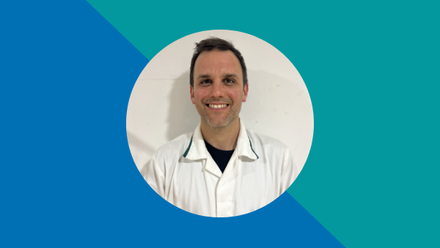
Allaina Eden is the Physiotherapy Service Lead at Royal Papworth Hospital, Cambridge and Chair of the Physiotherapists Professional Advisory Group.
*****
Interested in standing for election? Learn more about the call for nominations open until 15 June 2026, including how to vote. All members are eligible to stand for election.
Or find out more about the Physiotherapists Professional Advisory Group.
Not yet an ICS member? Find out about the education, events, support, opportunities and networks you can become part of.