The power of community: A look into allied health professionals in intensive care
The person behind the number
When I first came into ICU 15 years ago, it was all about survivorship in the ICU. It wasn't about the person behind the ventilator; it was the pneumonia in bed one. It wasn't Mr Bloggs, the father, the builder, and captain of the cricket club.
That has really shifted during my career as an occupational therapist. There’s a greater evidence base around the importance of holistic care. As therapists, we’re always thinking about the person behind the number. We’ll think about the music they like, what their normal routine was, if they have their own clothes available. Maybe we’ll use lavender spray which reminds them of home, or make sure they have relatives visiting. We try to be creative and individualise our approach. I always think, if that was my mum, that's what I would want.
ICU is a perfect place for an occupational therapist, because you can really provide holistic care. It’s very fulfilling – with complex cases that demand rapid reasoning and adaptability. And seeing patients again at follow-up clinics, who have regained their independence after critical illness, is an absolute privilege.
Everyone working in ICU is passionate. You’re working with the sickest patients and strong, supportive MDT collaboration is crucial. We all have a different lens of how to support someone, but we bring those lenses together to focus on each individual.
The small wins all add up
Our most complicated patients can be with us for over 100 days. It’s a long time and patients can be hugely vulnerable and frustrated. Everything's taken from them, they can’t make choices, and are linked up to multiple lines, with monitors beeping all the time.
Supporting patients with small wins, like how to brush their hair, or feed themself again when they’re really weak, can be hugely empowering. If you can support someone to do those small tasks, you're building the foundations to get that person to be independent again.
There’s lots of literature now saying the more you can do in the early phase about building that foundation, the better the outcome for the individual. Historically, most UK units have had access to physiotherapy. But now the evidence base is beginning to expand the horizons of different AHPs, to support the overall needs of the individuals.
Giving every profession a voice
That widening group of AHPs is reflected in our PAG. Ours is the only multidisciplinary group: with occupational therapists, speech and language therapists, dietitians, clinical critical care scientists, and operating department practitioners. Two psychologists are joining in May, which is a new profession for us. While they’re not strictly AHPs, as psychologists are a small number within ICU, they’re joining our group. Integrating psychology within the group is a big step forward, that reflects the growing recognition of cognitive and emotional recovery for patients. I’m excited to support their voice within the society.
We all have very different lenses and priorities – from critical care scientists who are very technical through to more holistic approaches like speech and language therapists. Managing that diversity has been a challenge for me. I've learned the importance of clear communication with open listening skills. We offer equal space for each profession to contribute, focus on patient-centred outcomes as a unifying principle, and are introducing profession-specific slots on agendas.
We don't want voices to be lost, we want AHP members to be able to connect, collaborate and have new opportunities. To do that, we’ve introduced shadowing and observer roles. This brings more people closer to the Society’s work – for example, by observing the PAG meetings and committees. Our long-term vision is to bring in more observers, opening up doors for members to have an increasingly active role.
Influencing and educating
The PAG gives me an opportunity to influence systems, rather than just my service. The NHS is one business and we should be sharing, collaborating and supporting each other.
One way we champion AHPs is by influencing guidelines and policies, such as the ‘ICS Guidance for Delirium in the Critically Ill Patient’. It was initially very medical and pharmacy heavy, but Allaina (the chair of the Physio PAG) and I were given the opportunity to develop the guidance to support it to be more holistic in its tools and approach.
The Society is currently developing the James Lind Alliance (JLA) Research Priorities initiative to define the top 10 research priorities for adults recovering from critical illness. I had the honour to be part of the screening group and have had the opportunity to involve AHP ICS members in ranking their top 10 research questions. We were also able to encourage our members to attend the final ranking meeting – an opportunity many wouldn’t have had outside the ICS PAG communication network.
Education is also a key part of our work and this year we’re offering four joint webinars with the Physiotherapists PAG. These are on a range of subjects, from demystifying the ICU, for those new to critical care, through to case studies around the pathway of patients post out-of-hospital cardiac arrest – and are open to members of any discipline. This education element gives members greater value for their membership fee – and some members’ employers have even paid for their membership.
Strength in numbers
We’re getting the AHP voice heard in places that previously it hasn’t been included. We’d really encourage new members to join the Society – because with more members we can disseminate information better, collaborate more widely, and ultimately, have an even stronger collective voice. At the end of the day, we all want to provide better care for our patients, and being an ICS member brings real opportunity to support that vision.
****
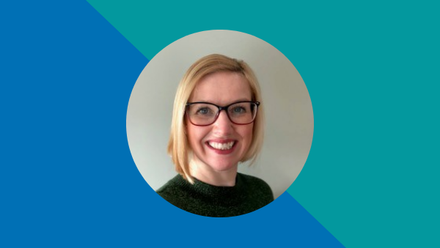
James is an occupational therapist employed by University Hospitals Bristol and Weston NHS Trust (Bristol Royal Infirmary). He is an ICU clinical specialist and chair of the AHP Professional Advisory Group.
Interested in standing for election? Learn more about the call for nominations open until 15 June 2026, including how to vote. All members are eligible to stand for election.
Or find out more about the AHP Professional Advisory Group.
Not yet an ICS member? Find out about the education, events, support, opportunities and networks you can become part of.