Speakers

Professor Ramani Moonesinghe OBE

Professor Mervyn Singer
Dr Andrew Conway-Morris

Dr Andrew Breen

Hall 8
Sepsis remains one of the leading causes of mortality and morbidity worldwide, despite significant advances in critical care. This symposium will provide delegates with an up-to-date understanding of sepsis pathophysiology, emerging therapeutic approaches, and evolving models of multidisciplinary care. The session will culminate in the presentation and discussion of the MSF for Sepsis framework, highlighting how coordinated, evidence-based interventions across the patient journey can improve outcomes.
By the end of the session, participants will be able to:
Chair: Andrew Breen
Co-Chair: Thomas Hellyer

I am the National Clinical Director for Critical and Perioperative care at NHS England, a Professor at UCL and a consultant at UCL Hospitals (UCLH). During the pandemic, I provided national leadership for critical care – this included clinically leading the government’s Ventilator Challenge and overseeing all clinical and operational support for NHSE’s critical care response across a range of issues including workforce support (including securing £10 million to support mental health and wellbeing support for the critical care community), medicines and equipment procurement and clinical guidelines. Subsequently I led the NHSE critical care transformation programme which increased critical care bed capacity by 25%, commissioned regional adult critical care transfer services, provided intensive care training for thousands of nurses, pharmacists and AHPs, and supported service modernisation including enhanced care services. I continue in this role at NHSE, and in addition, during 2025, took on the full-time role of National Director of Patient Safety for 6 months. I am currently leading the development of the Modern Service Framework for Sepsis, which will commit to improving care and outcomes for patients with severe infection over the next 10 years, which will be published in 2026.
Academically, I lead and support research across the translational pathway from device development and validation through to clinical trials and policy research. My academic roles include being head of the Research Dept for Targeted Intervention at UCL, Director of the NIHR Central London Patient Safety Research Collaboration and co-lead of the Critical and Perioperative Care theme of the UCLH Biomedical Research Centre. I have been chief investigator on research studies recruiting over 110,000 participants to the NIHR portfolio. I am a firm believer in supporting the role of the resident and non-medical workforce in clinical research. I established high-profile resident-led infrastructure projects (e.g. the original “RAFT’ - first trainee research network in anaesthesia/perioperative care, and the RCoA’s trainee-led Sprint National Anaesthesia Project programme), and my studies have provided support for over 250 NIHR Associate Principal Investigators. I also mentor early and mid-career researchers from the breadth of the NHS workforce including nurses, pharmacists and allied health professionals.
Outside work, I am married to a very patient and supportive inventor and live in Sussex with him and our adopted children aged 6, 9 and 10. I was awarded the honour of Officer of the Order of the British Empire (OBE) in 2021 for services to anaesthesia, perioperative and critical care.
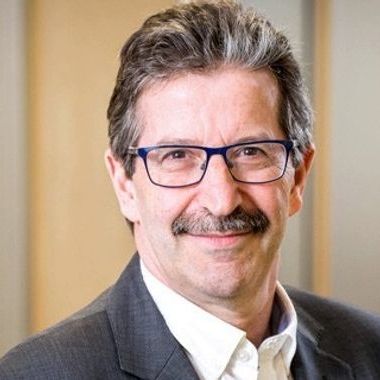
Dr Conway Morris is a critical care consultant and MRC Clinician Scientist based at the University of Cambridge. He trained at the Universities of Glasgow and Edinburgh, undertaking a PhD in Edinburgh focused on immune failure in critical illness and nosocomial infection. His research interests include neutrophil function and dysfunction in critical illness, where he identified complement component C5a as a key driver of dysfunction in patients. He has also developed and tested a number of diagnostics for pneumonia, using both host and pathogen-focussed techniques. His animating force is a desire to improve the management of infection in intensive care, and combat the rising tide of antimicrobial resistance. He was recently awarded the Royal College of Anaesthetists 2023 Mackintosh Professorship. He is the director of the European Society of Intensive Care Medicine’s research and antimicrobial stewardship learning pathways.

Andy is a consultant in ICM working in Leeds Teaching Hospitals, having been appointed in 2005. He is Clinical Director for Adult Critical Care in Leeds, and President Elect of the Intensive Care Society. He graduated in Liverpool in 1995, where he completed his clinical training in anaesthesia and intensive care medicine.
Andy has strong interest in point-of-care ultrasound, having been a founding member of the FICE committee, current member of the FUSIC committee and co-author of a number of POCUS accreditation programmes. Other interests include ethical decision making and advance care planning, the science of quality improvement and IV fluids education.

Senior clinical fellow / honorary consultant critical care medicine.
I am a clinician scientist in critical care medicine at Newcastle University and my clinical practice is based in the Royal Victoria Infirmary intensive care department. My research focuses on improving antibiotic stewardship in critically ill patients. Striking the right balance of effectively treating patients with severe infections while avoiding harms associated with antibiotic overuse, is challenging for critically ill patients.
My current research focuses on optimising antibiotic durations in patients with sepsis. RISC-sepsis is an NIHR EME funded project that is an embedded mechanistic trial within a large pragmatic RCT. We immune phenotype patients to determine whether sepsis-induced immune dysfunction impacts antibiotic stewardship interventions. SHORTER is an NIHR HTA funded pragmatic RCT that aims to determine whether short, fixed-course antibiotics (5 days) are safe and effective in critically ill patients with sepsis.